First-Time Skid Steer Operator? Tips on Skid Steer Operation
Whether you’re grading a driveway, moving gravel, clearing brush, or preparing a jobsite, learning how to operate a skid steer properly is the first step toward working safely and efficiently. Skid steers are among the most versatile pieces of equipment available, but they also require training, awareness, and the right operating techniques.
If you’re renting a machine for the first time, this guide covers the basics of how to operate a skid steer safely, from pre-operation inspections to loading materials and shutting the machine down.
What Is a Skid Steer?
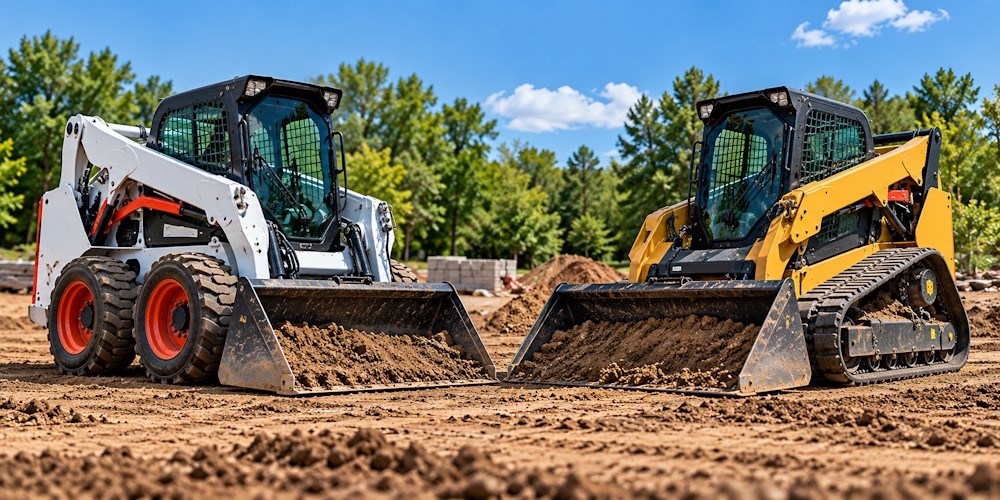
A skid steer loader is a compact machine designed to handle a wide variety of construction, landscaping, farming, and property maintenance tasks. Thanks to its compact footprint and wide selection of attachments, a skid steer can:
- Move dirt, mulch, gravel, and snow
- Grade and level surfaces
- Dig trenches
- Remove stumps
- Lift pallets and materials
- Clear brush and debris
- Drill fence post holes with an auger attachment
Its unique steering system allows the wheels on each side to move independently, giving the machine exceptional maneuverability in tight spaces.
Before You Start: Inspect the Machine
Before operating any rental equipment, perform a quick inspection.
Check the following:
- Fluid levels (engine oil, coolant, hydraulic fluid)
- Fuel level
- Tire or track condition
- Bucket or attachment connections
- Hydraulic hoses for leaks
- Safety lights and backup alarm
- Seat belt and safety restraint bar
Walk around the machine and make sure there are no loose parts, visible damage, or obstacles around your work area.
Step 1: Enter the Cab Safely
Always use three points of contact when climbing into the cab.
Once seated:
- Fasten your seat belt.
- Lower the safety restraint bar.
- Adjust mirrors if equipped.
- Familiarize yourself with all controls before starting the engine.
Modern skid steers include safety interlocks that prevent operation until the operator is properly seated and secured.
Step 2: Start the Machine
While machine controls vary slightly by manufacturer, most skid steers follow a similar startup process:
- Turn the key or press the start button.
- Allow the engine to idle for a few minutes.
- Watch the instrument panel for warning lights.
- Release the parking brake when ready to move.
Take a few minutes to understand throttle controls and hydraulic response before beginning work.
Step 3: Learn the Controls
One of the biggest questions first-time renters ask is, “How do you operate a skid steer?”
Most modern skid steers use joystick controls.
Left Joystick
- Move forward
- Reverse
- Turn left
- Turn right
Right Joystick
- Raise loader arms
- Lower loader arms
- Curl bucket
- Dump bucket
Some machines also include auxiliary controls for powered attachments.
Practice driving slowly in an open area before beginning your project.
Step 4: Drive Smoothly
Because skid steers steer by varying wheel speeds, sudden movements can make the machine unstable.
Operate smoothly by:
- Accelerating gradually
- Avoiding sudden turns
- Keeping bucket loads low while traveling
- Watching for uneven terrain
- Driving slowly on slopes
Take your time until you’re comfortable with the controls.
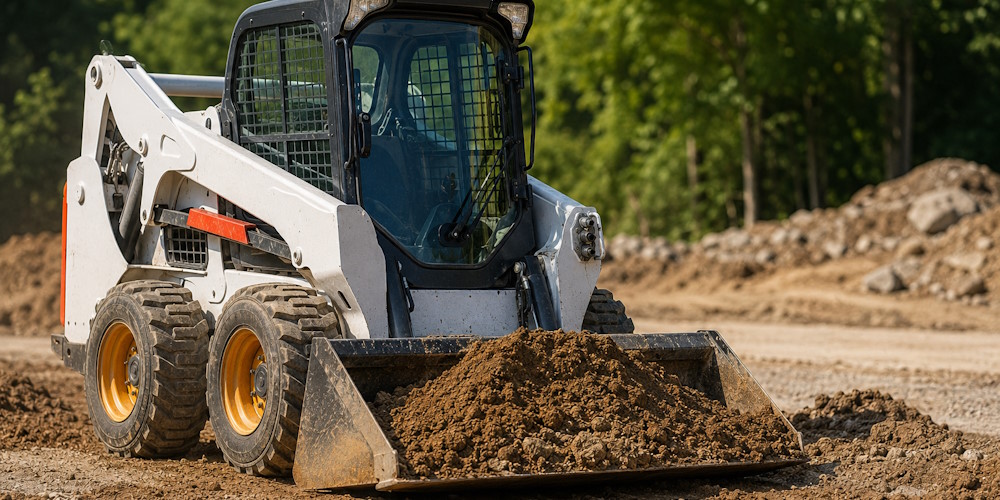
Step 5: Operating the Bucket
When moving materials:
- Keep the bucket low while driving.
- Raise it only when dumping.
- Avoid overloading the bucket.
- Keep loads balanced.
- Never travel with the bucket fully raised.
When digging:
- Enter the material slowly.
- Curl the bucket while lifting.
- Back away before raising the load.
Small, controlled movements produce better results than aggressive operation.
How to Operate a Skid Steer Safely
Learning how to operate a skid steer safely is just as important as learning the controls.
Follow these safety tips:
- Always wear your seat belt.
- Never allow passengers.
- Keep bystanders away from the work area.
- Watch overhead power lines and tree branches.
- Stay clear of steep slopes.
- Never exceed the machine’s rated lifting capacity.
- Lower attachments before exiting the cab.
- Shut the engine off before leaving the operator’s seat.
If you’re using an attachment you’ve never operated before, ask for instructions before beginning your project.
Common Mistakes First-Time Operators Make
Driving Too Fast
Slow, controlled operation provides better visibility and improves safety.
Carrying Loads Too High
Keep materials low while traveling to improve stability and visibility.
Turning Too Aggressively
Sharp turns can damage turf, wear tires faster, and make loads unstable.
Ignoring Ground Conditions
Soft soil, mud, loose gravel, or uneven terrain can quickly change how the machine handles.
Skipping the Walkaround Inspection
A quick inspection before starting can prevent costly downtime or equipment damage.
Choosing the Right Attachment
One reason skid steers are so popular is their versatility.
Depending on your project, you may need:
- General-purpose buckets
- Grapple buckets
- Pallet forks
- Augers
- Brush cutters
- Landscape rakes
- Soil conditioners
- Trenchers
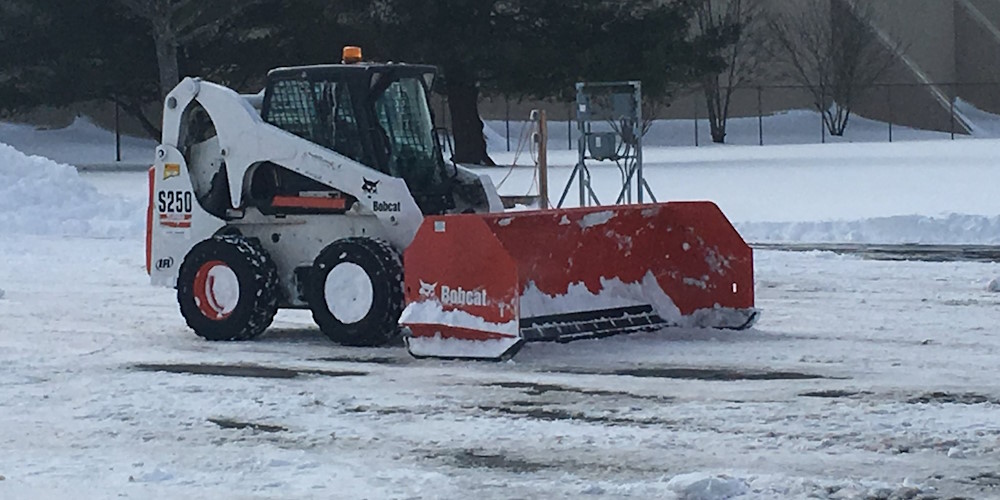
- Snow pushers
- Brooms
Using the correct attachment improves productivity while reducing wear on the machine.
When Should You Rent a Skid Steer?
A skid steer is an excellent rental choice for:
- Landscaping projects
- Driveway installation
- Yard grading
- Property cleanup
- Construction site preparation
- Material handling
- Fence installation
- Snow removal
- Drainage improvements
Renting gives homeowners and contractors access to professional-grade equipment without the expense of ownership or maintenance.
Rent the Right Equipment for Your Project
Whether you’re tackling your first landscaping project or managing a busy construction site, the right equipment makes all the difference. At Arnold’s Equipment Rentals, we offer well-maintained skid steers and a variety of attachments to help you complete your job safely and efficiently. Our knowledgeable team can recommend the best machine for your project and provide guidance so first-time operators feel confident before getting started.
Contact Arnold’s Equipment Rentals today to reserve a skid steer rental for your next project and get the equipment you need to work smarter, faster, and safer.
Frequently Asked Questions
Is a skid steer difficult to operate?
Modern skid steers are designed to be user-friendly, but first-time operators should spend time learning the controls and following all safety procedures before beginning work.
Do I need experience to rent a skid steer?
Many homeowners and contractors rent skid steers for DIY projects. Rental staff can explain the controls and provide basic operating instructions, but it’s important to operate the machine carefully and within your comfort level.
How do you operate a skid steer safely?
Always wear your seat belt, inspect the machine before use, keep loads low while traveling, avoid sudden movements, and remain aware of your surroundings at all times.
What can a skid steer be used for?
Skid steers can handle grading, excavation, landscaping, material handling, snow removal, demolition, brush clearing, trenching, and many other projects using specialized attachments.
Can I use different attachments with one skid steer?
Yes. Most skid steers are compatible with numerous attachments, allowing one machine to perform many different jobs, making them one of the most versatile rental equipment options available.