What is a Telehandler? What a Telehandler Forklift is Used For
If you’ve ever been on a job site and heard someone ask “what is a telehandler?” you’re not alone. Telehandlers (also called telescopic handlers) are one of the most useful pieces of equipment for construction, roofing, masonry, landscaping, and facility work because they can lift heavy materials and reach places a traditional forklift can’t.
In this guide, we’ll break down what is a telehandler forklift, how it works, and what is a telehandler used for—plus a few tips to help you choose the right machine for your project. If you’re working in Connecticut and need the right lift for the job, Arnold’s Equipment Rentals can help you get set up with the right telehandler rental quickly.
What Is a Telehandler?
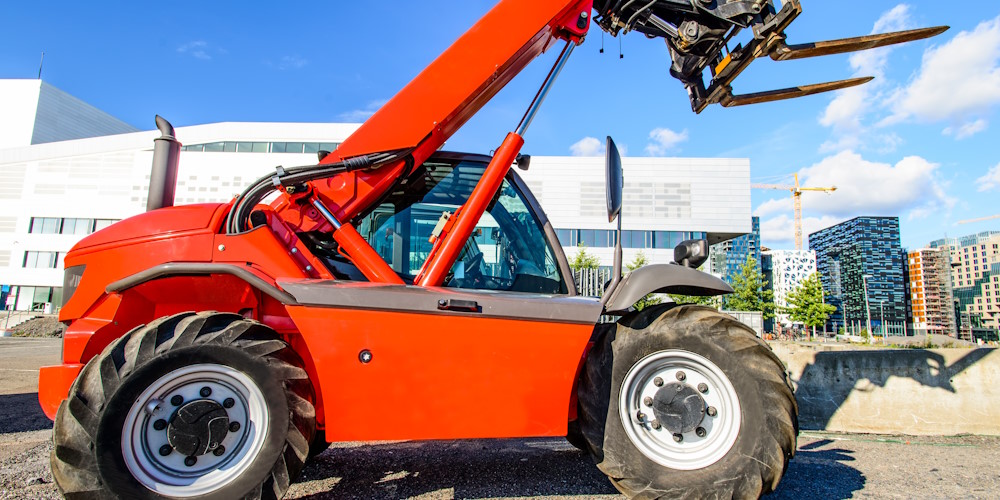
So, what is a telehandler? A telehandler is a rough-terrain lifting machine that looks like a hybrid between a forklift and a small crane. The key feature is its telescopic boom (an extendable arm) that can move materials up, out, and over obstacles. Most telehandlers use forks by default, but they can also run different attachments depending on the job.
When people ask whats a telehandler, the simplest answer is: it’s the go-to “material mover” for job sites where you need reach, height, and stability on uneven ground.
What Is a Telehandler Used For?
If you’re wondering what is a telehandler used for, think of it as the machine that helps you “stage” materials exactly where crews need them—faster and safer. Here are some of the most common telehandler uses on job sites:
- Lifting pallets of materials like block, brick, shingles, siding, or drywall to elevated areas
- Placing materials on rooftops for roofing projects and renovations
- Loading and unloading deliveries from trucks on uneven surfaces
- Moving heavy items around a site where terrain is muddy, snowy, or unpaved
- Supporting masonry and concrete work by positioning materials near scaffolding or higher walls
- Farm and property tasks such as moving hay bales, pallets, or bulk supplies (depending on site requirements)
In short, what is a telehandler used for comes down to this: it’s the right machine when you need the lifting power of a forklift plus the reach of a boom.
Telehandler vs. Forklift: What’s the Difference?
Many people start with what is a telehandler forklift because they’re comparing it to a standard forklift. Here are the practical differences:
- Reach and height: Telehandlers extend outward and upward to place materials in hard-to-reach locations.
- Terrain: Telehandlers are typically designed for rough, uneven job site conditions.
- Versatility: Telehandlers can use multiple attachments for different tasks.
- Footprint: Forklifts can be better in tight indoor spaces; telehandlers shine outdoors and on larger sites.
If your job requires height, reach, or work on unpaved ground, that’s usually the moment the question shifts from “whats a telehandler” to “why aren’t we using one already?”
Common Telehandler Attachments
One reason telehandlers are so popular is how versatile they are with attachments. While forks are the most common setup, telehandlers can also run job-specific tools (depending on the model and capacity). Some common options include:
- General-purpose bucket: For moving loose material
- Material handling jib or hook: For lifting certain loads more like a crane (when approved for the job)
- Work platform: For elevating workers (only when the telehandler is approved and used properly)
- Specialty forks: For different material types or load shapes
If you’re not sure which attachment is right, Arnold’s Equipment Rentals can help you match your application to the correct telehandler configuration.
How to Choose the Right Telehandler for Your Job
Telehandlers come in different sizes and capacities. If you’re deciding what is a telehandler used for on your site, it helps to focus on a few key specs:
- Lift capacity: How much weight you need to lift (and how far)
- Lift height: How high materials must be placed
- Reach: Whether you need to lift “out and over” obstacles
- Job site conditions: Mud, snow, slopes, and tight access points
- Attachment needs: Forks only, or additional tools required
One important note: telehandler load capacity can change based on boom extension and lift angle. That’s why it’s smart to share your application details when renting—so you get a machine that’s safe and properly sized for the work.
Safety Tips for Using a Telehandler
Because telehandlers are powerful and versatile, safe operation matters. A few best practices include:
- Make sure operators are trained and follow all job site rules.
- Use the correct load chart for the machine and configuration.
- Keep loads low while traveling and avoid sudden turns on uneven ground.
- Inspect forks, tires, and hydraulics before use.
- Never exceed rated capacity—especially when extending the boom.
Rent a Telehandler in Connecticut from Arnold’s Equipment Rentals
Now that you understand what is a telehandler, what is a telehandler forklift, and what is a telehandler used for, the next step is getting the right machine for your job site. Arnold’s Equipment Rentals offers reliable equipment and knowledgeable support to help you choose the best telehandler for your lift height, reach, and capacity needs.
Need help selecting a telehandler? Contact Arnold’s Equipment Rentals or visit Arnold’s Equipment Rentals to get pricing and availability for your project.