Skid Steer vs. Track Loader: What are the Differences?
Skid steers and compact track loaders are two of the most versatile machines you can have on a construction site, landscaping project, or large property. At first glance, they look very similar. Both are compact loaders capable of moving dirt, gravel, mulch, debris, and other materials, and both can use a variety of attachments.
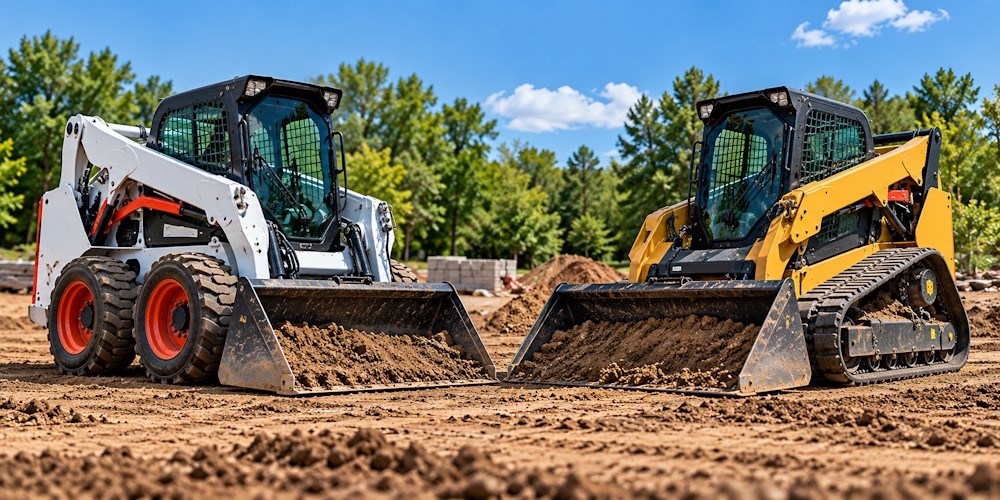
However, there’s one obvious difference that can have a major impact on how the machine performs: a skid steer runs on wheels, while a track loader runs on continuous tracks.
If you’re trying to decide between a skid steer or track loader rental in Connecticut, understanding how those wheels or tracks affect traction, maneuverability, ground pressure, and overall performance can help you choose the right machine for your project.
What Is a Skid Steer?
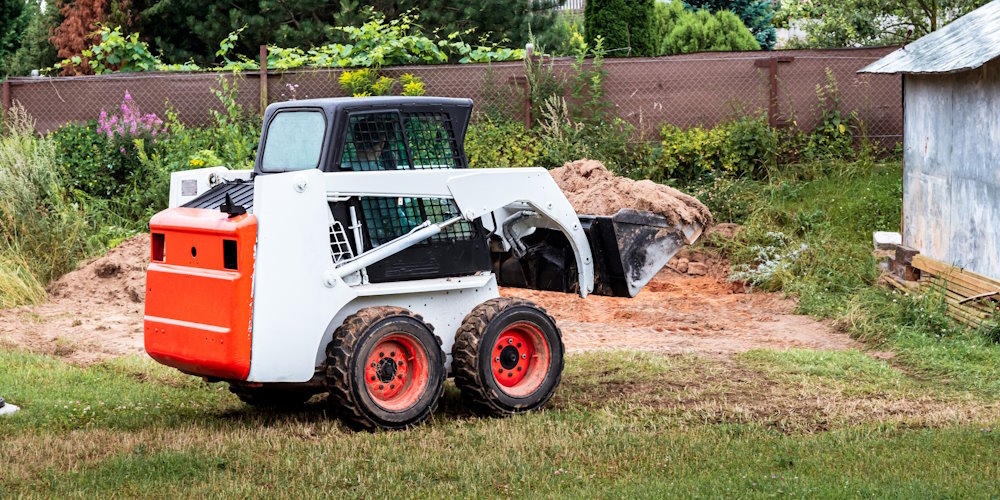
A skid steer is a compact, highly maneuverable loader that typically has four wheels. The wheels on each side operate together, allowing the machine to turn by varying the speed and direction of the wheels on opposite sides. This “skidding” action is where the skid steer gets its name.
One of the biggest advantages of a skid steer is maneuverability. These machines can make extremely tight turns, making them useful on construction sites, driveways, parking lots, farms, and properties where space is limited.
Skid steers can also be equipped with different attachments, allowing one machine to tackle numerous jobs.
What Is a Track Loader?
A compact track loader is similar in design and operation to a skid steer, but instead of wheels, it travels on rubber tracks. The larger surface area of the tracks distributes the machine’s weight across more ground and can provide excellent traction on soft, muddy, loose, or uneven surfaces.
For projects involving unimproved ground, landscaping, grading, or New England’s occasionally challenging soil conditions, a track loader can be a particularly useful option.
Arnold’s Equipment Rentals carries several track loaders for rent in Connecticut, including Bobcat and CAT models for jobs requiring different operating capacities and machine sizes.
Skid Steer vs. Track Loader: What’s the Difference?
The biggest difference is wheels versus tracks, but that design change affects several aspects of how the machines perform.
Traction
Track loaders generally provide better traction when working on loose dirt, mud, slopes, or uneven terrain. The tracks maintain a larger contact area with the ground, helping the machine maintain traction in conditions where tires may struggle.
For a muddy construction site or a backyard with loose soil, this can be a significant advantage.
Hard Surfaces
If you’re primarily working on pavement, concrete, asphalt, or another firm surface, a wheeled skid steer may be the better choice. Skid steers move efficiently across hard surfaces and don’t require the additional traction that tracks provide.
Ground Disturbance
A track loader spreads its weight over a larger area. That can make it preferable when working on softer surfaces where limiting ground pressure is important.
Keep in mind that either machine can disturb turf or finished surfaces, particularly when making tight turns. If preserving an established lawn is a priority, plan your travel paths and turns carefully.
Maneuverability
Both machines are extremely maneuverable, but wheeled skid steers are especially well suited for jobs where frequent tight turns are required on firm surfaces.
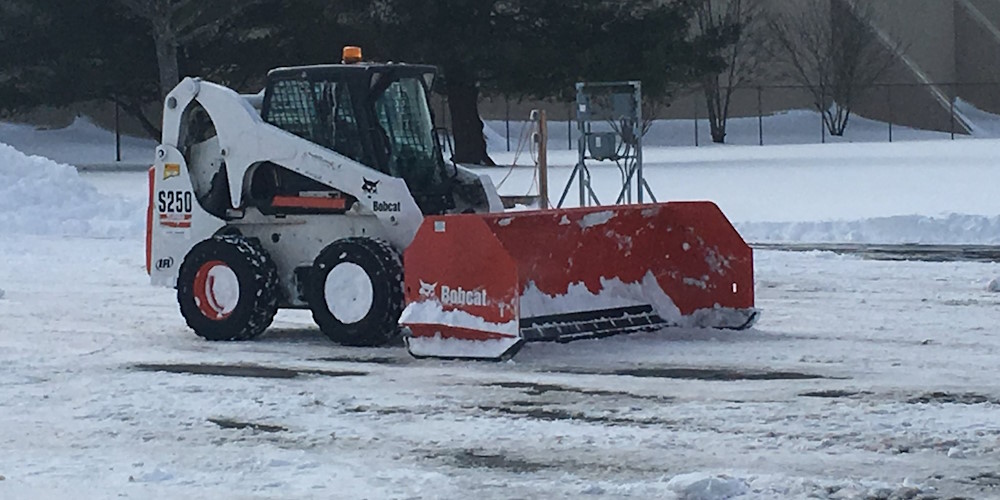
This makes skid steers popular for material handling, cleanup, construction, snow removal, and work in confined areas.
Working in Mud and Soft Soil
This is where a track loader usually has the advantage. Tracks provide additional flotation and traction, which can help keep the machine moving when conditions become soft.
Connecticut contractors and property owners know that spring projects can quickly turn muddy. If you expect wet or loose ground, ask your rental provider whether a track loader would be a better fit.
What Can You Do With a Skid Steer or Track Loader?
Both machines can perform an impressive range of jobs. Depending on the machine and compatible attachment, common applications include:
- Moving dirt, gravel, stone, mulch, and other materials
- Grading and leveling soil
- Cleaning up construction debris
- Preparing areas for lawns or landscaping
- Moving pallets and materials with forks
- Handling brush and debris with a grapple bucket
- Mowing overgrown areas
- Clearing snow
- Sweeping paved areas
- Preparing seedbeds
Arnold’s offers multiple skid steer and track loader attachments, including forks, grapple buckets, sweepers, snow pushers, Brushcat mowers, and RockHound rakes. Choosing the right attachment can transform the same loader into an entirely different tool.
When Should You Choose a Skid Steer?
A skid steer may be the better rental when your project involves mostly firm, relatively level surfaces and you want excellent maneuverability.
Consider a skid steer when you’re working on pavement, concrete, compacted gravel, established construction areas, or other hard surfaces. They’re also a great choice for loading and moving materials when space is limited.
When Should You Choose a Track Loader?
A track loader is worth considering when traction and flotation are higher priorities.
Projects involving dirt, mud, loose material, uneven terrain, grading, excavation support, or property development can benefit from the larger footprint provided by tracks.
If you’re unsure, consider what the jobsite will look like on the day you’re actually using the machine—not just when you’re planning the project. Rain can quickly change a firm dirt surface into a muddy work area.
Don’t Forget About the Attachment
Choosing between a skid steer and track loader is only half the decision. The attachment on the front of the machine often determines what you can accomplish.
A bucket may be perfect for moving soil or gravel, while forks can turn the loader into a powerful material-handling machine. A grapple bucket can make handling brush and irregular debris easier, while specialized attachments can be used for mowing, sweeping, snow removal, and site preparation.
Tell the rental company exactly what you’re trying to accomplish so they can help match the machine and attachment to the project.
Rent a Skid Steer or Track Loader in Connecticut
You don’t necessarily need to own heavy equipment to take on a major construction, landscaping, or property improvement project. Renting allows you to choose a machine suited specifically to the job without the cost and maintenance responsibilities associated with ownership.
Arnold’s Equipment Rentals offers skid steers and track loaders for rent in a variety of sizes, along with attachments that can make these machines even more versatile.
Not sure whether wheels or tracks are right for your project? Contact Arnold’s Equipment Rentals and tell us about the job, terrain, materials, and working conditions. We’ll help you choose the equipment you need to get the job done.